Must visit(/)
Visit(/)
Skip(/)
| Tourist guide Selca | Tourist facilities |
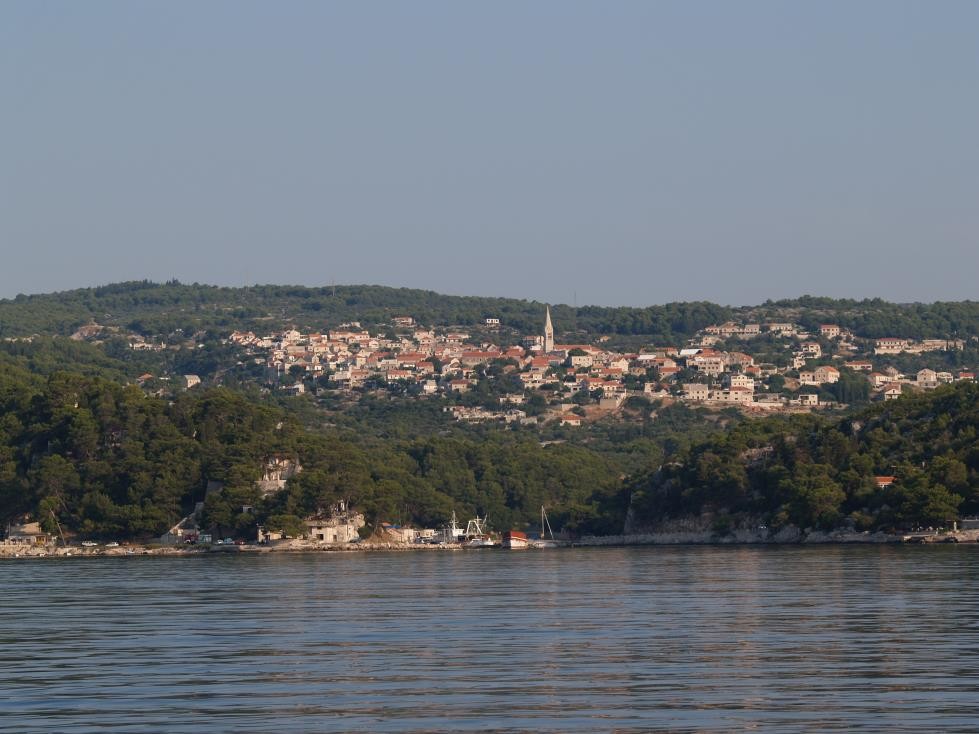
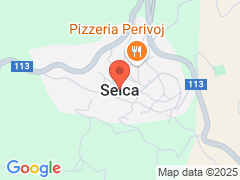
Selca is one of the most renowned and picturesque locations on the eastern part of Brač island. Situated a few kilometres from the sea, on a hill that offers views towards Biokovo, Hvar, and the Makarska Riviera, it is famous for its impressive stone architecture, long-standing stonemasonry tradition, and rich cultural and historical heritage. Thanks to the blend of authentic Dalmatian ambience, excellent gastronomy, beautiful coves nearby, and a tranquil island atmosphere, Selca is one of the most intriguing places to explore on Brač.
The history of Selca dates back to the Middle Ages, when residents abandoned the coast due to frequent pirate attacks and settled on a safer elevation. Over the centuries, the village developed through agriculture, maritime activities, and the processing of the renowned Brač stone, which has left an indelible mark on the appearance of nearly every house, street, and public building. Today, Selca is one of the most recognisable stone villages on the island and an excellent example of traditional Dalmatian architecture.
A stroll through Selca reveals the lavish stone architecture for which the village is known. Monumental stone houses, adorned façades, wide staircases, squares, public buildings, and numerous details carved from white Brač stone testify to the centuries-old wealth and skill of local stonemasons. Due to its exceptionally preserved stone core, Selca is often referred to as one of the most beautiful stone villages in Dalmatia.
The Brač stone has been the foundation of the village's development for centuries, and many local craftsmen have left their mark on buildings across Croatia and beyond. In Selca, the tradition of stone processing is still valued as an important part of local identity.
The impressive Church of Christ the King dominates the centre of the village, being one of the largest churches on Brač. Built from the famous Brač stone, its monumental architecture and richly decorated interior make it one of the most significant sacred buildings on the island.
Selca is also home to the Church of Our Lady of Mount Carmel, the village's patroness, which holds special significance for the local population. Every year on 16 July, the traditional Selca Fair is held, one of the largest and oldest folk celebrations on Brač. On this day, the village comes alive with a festive procession, concerts, folklore, local gastronomy, and a rich entertainment programme that attracts numerous visitors.
As you wander through Selca, you will encounter many stone monuments, sculptures, and historical buildings that testify to the village's rich cultural heritage and its important role in the history of eastern Brač.
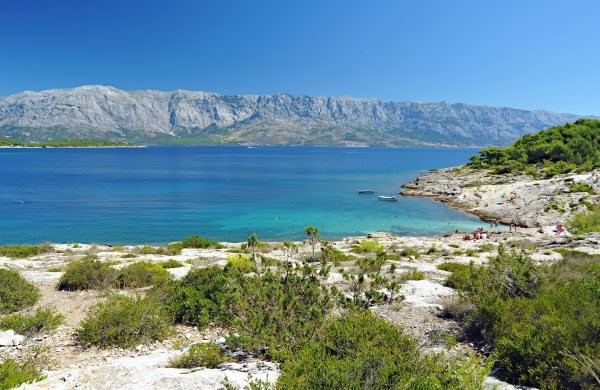
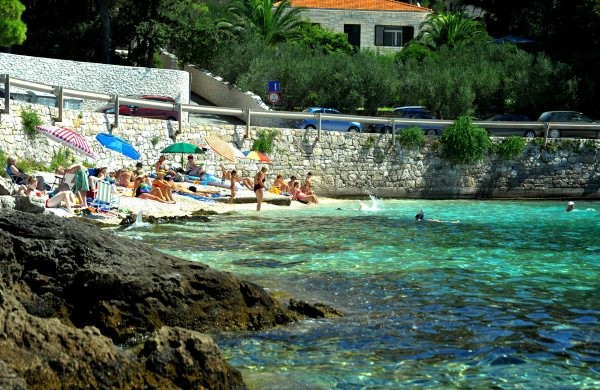
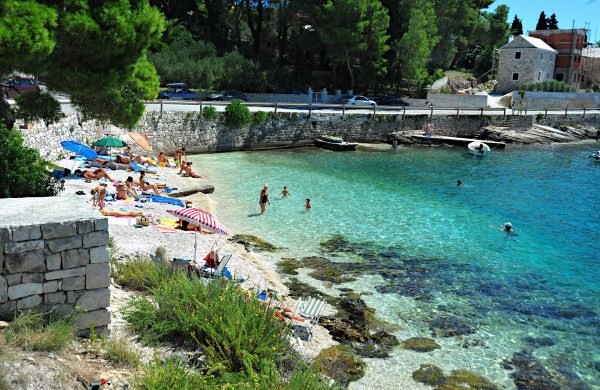
Although Selca is not located directly on the coast, it is only a few minutes' drive to the sea. Nearby are some of the most beautiful bathing spots on eastern Brač, including Radonja, Spilice, Žirje, Puntinak, and numerous smaller coves with crystal-clear waters. Also nearby are Sumartin and Povlja, known for their stunning beaches and natural bays.
This proximity allows for a stay in Selca that combines peaceful relaxation in a traditional stone village with quick access to coastal beaches.
The surroundings of Selca are ideal for lovers of active holidays. Numerous walking and cycling trails wind through olive groves, pine forests, and rocky landscapes typical of the eastern part of Brač. Particularly attractive routes connect Selca with Sumartin, Povlja, Novo Selo, and the island's interior, offering beautiful panoramic views of the sea and surrounding islands.
The tranquil environment and preserved nature make Selca an excellent destination for hiking, cycling, and exploring the traditional island landscape.
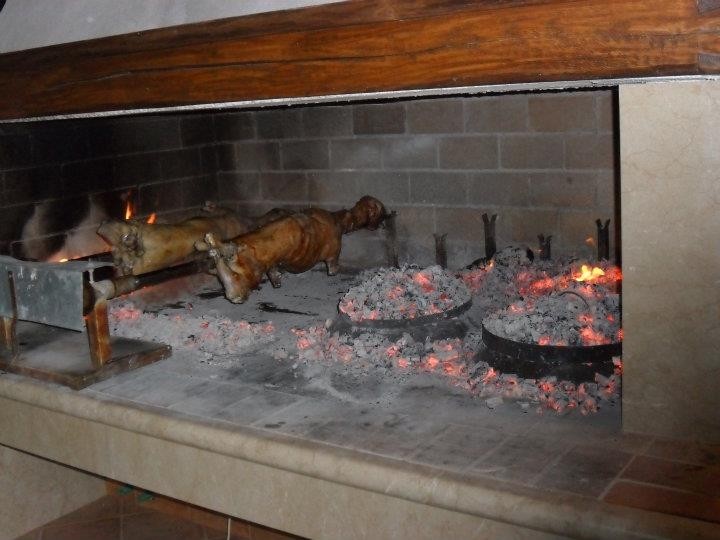
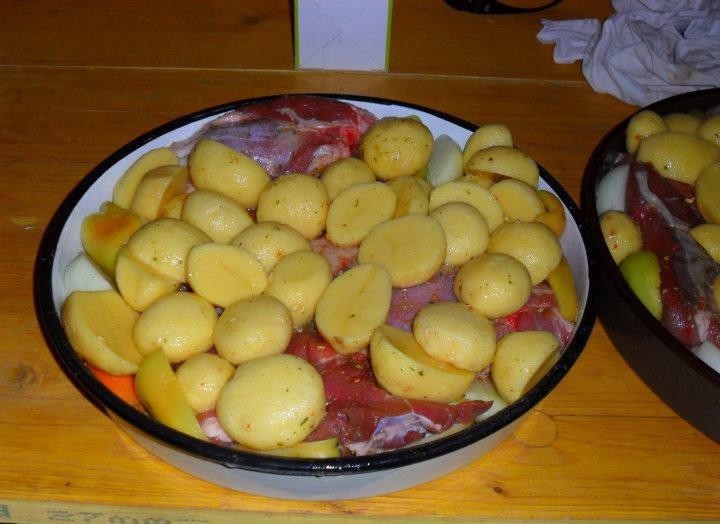
Selca is known for its excellent family taverns and restaurants where traditional Dalmatian dishes are prepared. The menus feature Brač lamb, octopus under the bell, fresh Adriatic fish, homemade pasta, local cheeses, olive oil, and wines produced on Brač.
Many dining establishments cherish homemade recipes passed down through generations, making Selca an excellent destination for experiencing authentic island gastronomy.
Thanks to its location on the eastern part of the island, Selca serves as an excellent base for visiting numerous attractions on Brač. Nearby are Sumartin, Povlja, Novo Selo, Pučišća, and Gornji Humac, while a pleasant drive through the island's interior leads to Bol, Zlatni Rat, and Vidova Gora.
This allows visitors to explore different parts of Brač during a single holiday – from tranquil stone villages to famous beaches and natural attractions.
Unlike coastal tourist spots, Selca has retained its peace, authenticity, and distinctive Dalmatian character. Here, you will find impressive stone architecture, a rich history, hospitable hosts, and a slower pace of life that has characterised Brač for centuries. The proximity to the sea, beautiful beaches, and natural coves further enhances the village's appeal, while cultural events and gastronomic offerings provide an authentic island experience.
If you wish to discover Brač beyond the most famous tourist routes, Selca is a destination worth visiting. The combination of stone heritage, natural beauty, traditional gastronomy, and rich history makes this place one of the most valuable hidden gems on the eastern part of the island.


Travelers You have visited an interesting restaurant, bar, attraction, event ? Share your positive experiences ! Write an article, post a video or photos you've taken.